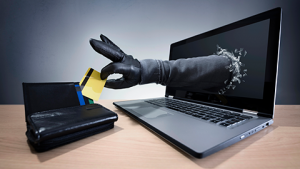
I cannot stress enough the importance of using caution when it comes to using the internet, checking your emails and answering phone calls. Criminals are savvy con artists who steal billions of dollars from people each year.
Fraudsters are masters of age-old deception tricks. Often times, they persuade victims to hand over personal information and money willingly through telemarketing, Ponzi schemes and internet scams.
Avoid becoming a victim and take steps to protect you and your money.
Tip #1. Don’t be fooled by promises.
If you receive mail or a phone call stating you’ve won a free gift and all you need to do is pay postage or a small deposit, walk away. Con artists use convincing telemarketing to deceive victims. Mail may look like official letterhead from well-known companies. Criminals may cunningly pretend to represent local charities.
Adopt these principles:
- Only pay for goods and services after you receive them.
- Before giving money to a charity, personally investigate the company – find out how the money is used.
Tip #2. Don’t be pressured by scare tactics.
Fraudsters like to frighten victims into thinking they owe money to the IRS, or threaten arrest if they don’t pay an outstanding balance. Criminals can get their hands on public records and personal information, from the internet and social media networks, and create plausible schemes. Before you act out of fear, seek the truth.
- Call the company directly to verify. Do not call the number provided to you. Call the number in the phonebook or on the company’s official website.
- Review your bills and statements carefully. Fraudsters may claim you owe money for services not performed or send you fake bills.
- Talk to your personal financial advisor before agreeing to any solicited investment proposal.
Tip #3. Safeguard your personal information.
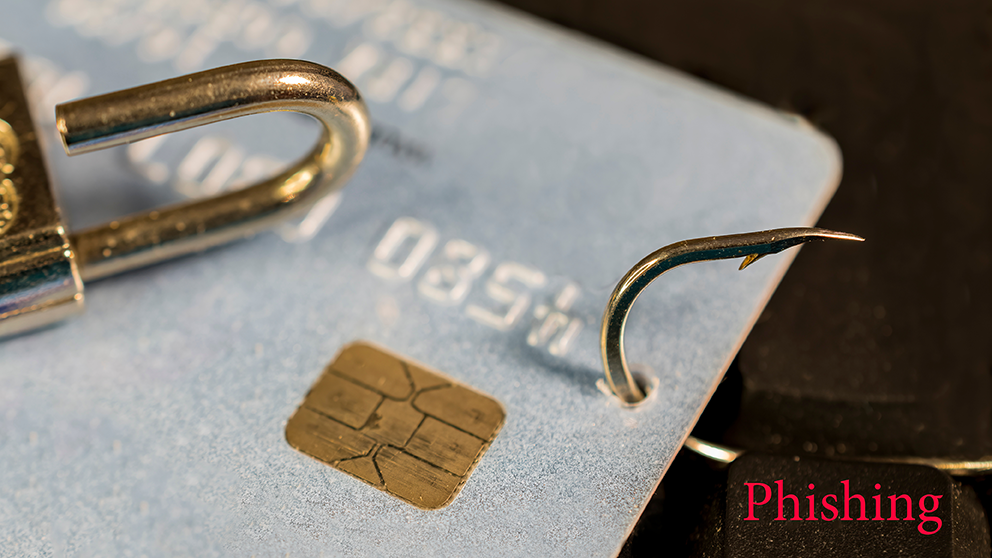
There are hundreds of scams – phishing, texting, pop-up windows, downloads, skimming and spyware – to trick you into revealing personal information. Assume anything you post or send online or via phone is public. Take these precautions to protect yourself:
- Do not reveal any personal information – including your current whereabouts – online, e.g., social media check-in status.
- Install anti-spyware software and update it regularly.
- Check your accounts often, looking for unusual activity.
- Do not agree to let online sites remember your passwords – this is an open door for hackers.
- Always sign off or log out properly.
- Do not click on links in emails without verifying the source. Often times, scammers will send you mail from a familiar address in your contact list.
- Check out the Federal Trade Commission (FTC), consumer.ftc.gov, to learn about recent scam alerts.
Criminals do not discriminate. All ages and demographics are at risk. As Ben Franklin once said, “An ounce of prevention is worth a pound of cure.” The FTC and Federal Bureau of Investigation, FBI.gov, offer tips and advice for fraud protection.
We are happy to answer any questions you may have. Call us at 855-BANK-RCB or visit your local RCB Bank location.